|
The ritual music central to the religion of La Regla de Ocha, Lukumi, or Santería has been on an epic journey spanning centuries and continents. This website pays homage to one aspect of this extraordinary musical journey, Miami, a fertile ground and gateway where this tradition travelled from Cuba to the United States and where it continues to flourish. Within this site you will find a collection of oral histories from musicians who have played a significant role in this journey, having dedicated their lives to ritual oricha music in South Florida.
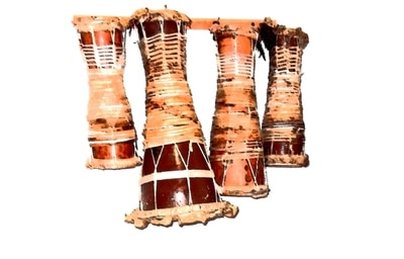
Ritual music is an integral part of the initiation process into Santería it also serves to communicate with and honour the pantheon of Yoruba deities called oricha and the ancestors, Egun. There are three main types of musical ceremony: a tambor using consecrated batá drums also called fundamento; a tambor using un-consecrated batá called aberikulá (which is quite rare); and güiro, played with shekeres (beaded gourd), a campana (a metal hoe blade) and a jicamo (conga drum). All are accompanied with call and response chants between a lead ritual singer and the coro/participants. |
La música ritual central en la religión de la Regla de Ocha o Santería ha estado en un viaje épico que abarca siglos y continentes. Este sitio web es un homenaje a uno de los aspectos de este viaje musical extraordinario. En este sitio usted encontrará una colección de historias orales de aquellos que han dedicado su vida a la música oricha ritual en el sur de la Florida.
La música ritual es una parte integral del proceso de iniciación en la Santería que también sirve para apaciguar el honor y comunicarse con el panteón de deidades yorubas llamadas oricha. Hay tres tipos de ceremonia musicales: un tambor usando batá consagrado, también conocido como fundamento; un tambor utilizando un batá consagrado llamado aberikulá (que es bastante raro); y güiro, tocado con shekeres (cuentas de calabaza), una campana (una cuchilla de azada de metal) y un tambor de conga. Todos están acompañados de cantos de llamada y respuesta. Vertical Divider
|


|
|
